Học Robotics và kỹ năng làm việc nhóm
Learning Strategies Through Hands‑On Robotics
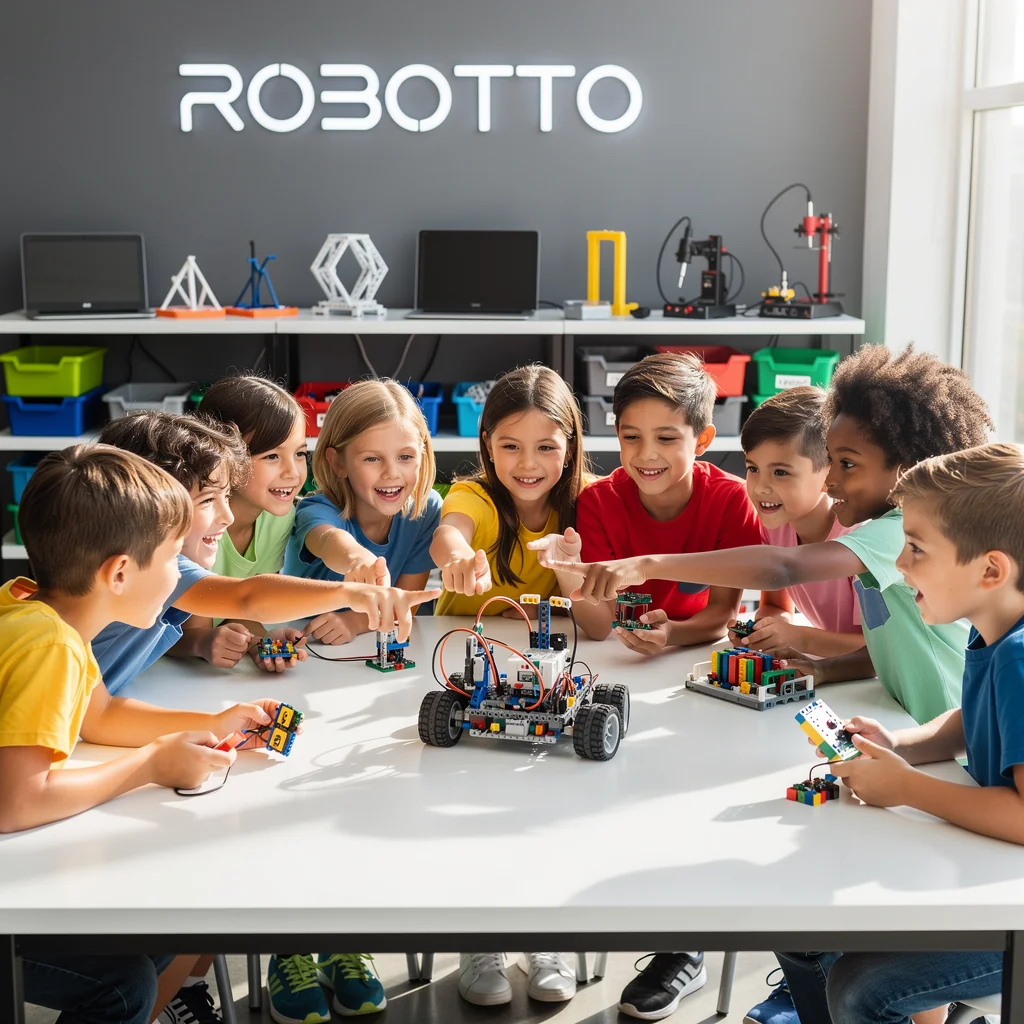
Robotics projects at ROBOTO are designed to turn abstract concepts into tangible experiences. When children assemble a LEGO robot, they must plan, test, and iterate—a cycle that mirrors real‑world engineering. This active learning approach encourages kids to ask “why” and “how,” fostering deeper comprehension of STEM principles while keeping the excitement level high.
- Identify the problem the robot will solve
- Break the task into smaller, manageable steps
- Prototype, test, and refine the design
By following this structured yet flexible framework, learners develop critical thinking skills that transfer to any subject area.
Program Benefits for Young Innovators
Beyond technical know‑how, ROBOTO’s curriculum emphasizes soft skills essential for future success. Working in teams, children learn to:
- Share roles – assigning tasks based on strengths builds confidence and accountability.
- Communicate clearly – explaining ideas and listening to peers prevents misunderstandings.
- Resolve conflicts creatively – when a design fails, the group brainstorms alternative solutions together.
These experiences nurture teamwork and collaboration, turning a simple robotics challenge into a powerful lesson in interpersonal dynamics.
A Parent’s Guide to Supporting the Journey
Parents play a crucial role in reinforcing the lessons learned in the academy. Here are three practical tips:
- Celebrate the process, not just the outcome. Praise effort, iteration, and problem‑solving strategies.
- Ask open‑ended questions. “What did you discover when the robot didn’t move as expected?” encourages reflection.
- Create a mini‑lab at home. Simple kits or recycled materials let children experiment beyond class time, strengthening the skills they acquire.
By staying engaged and fostering a growth mindset, parents help their children translate classroom robotics projects into lifelong abilities in teamwork, collaboration, and innovative thinking.